Wildfires & Public Health: Preparing for Smoke, Heat, and Emergencies
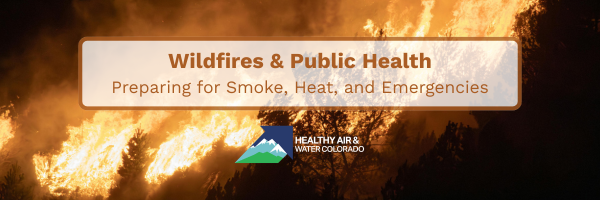
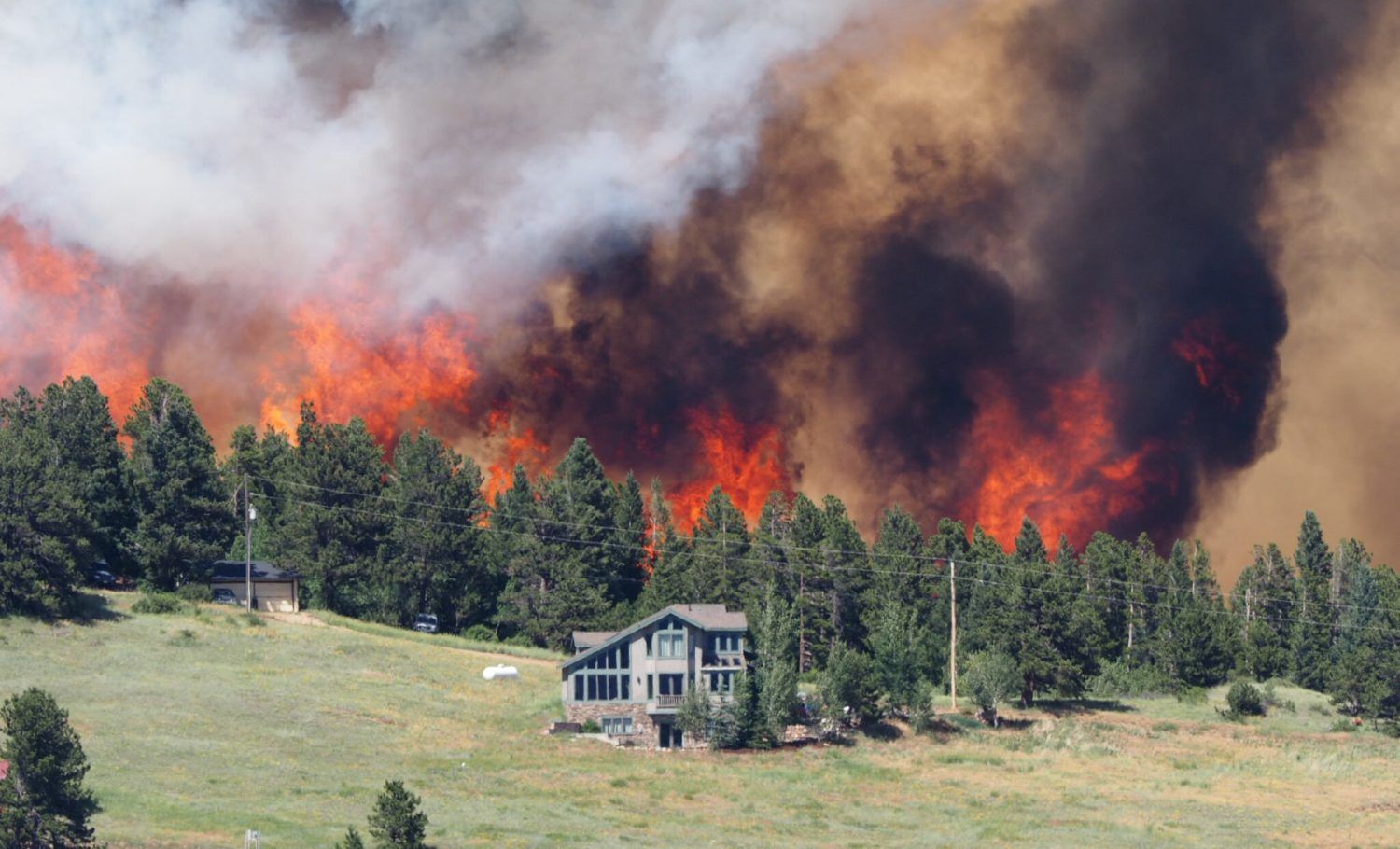
As Colorado experiences longer wildfire seasons and increasing air quality challenges, Healthy Air & Water Colorado recently hosted Wildfires & Public Health: Preparing for Smoke, Heat, and Emergencies, a webinar focused on helping Coloradans understand the health impacts of wildfire smoke and prepare for future wildfire seasons.
Hosted by
Dr. Sara Carpenter, Executive Director of Healthy Air & Water Colorado, the webinar featured
Nick Torres, Advocacy Director in CO, ID, WY, and UT for the American Lung Association,
Dr. Nikita Habermehl, pediatric emergency medicine physician and HAWC Board Chair, and
Monika Weber, Disaster Management Coordinator with the Boulder Office of Disaster Management. Together, they explored how climate change is contributing to longer, more severe wildfire seasons and what individuals, families, health professionals, and communities can do to reduce health risk.
Watch the webinar:
Nick Torres shared highlights from the American Lung Association's 2026 State of the Air Report, noting that while Colorado has seen some improvements in air quality, many communities continue to experience unhealthy levels of ozone and particle pollution. He discussed how wildfire smoke has become an increasingly significant driver of poor air quality across the West and emphasized practical tools such as AirNow.gov, clean air rooms, and high-efficiency air filtration to reduce exposure.
Dr. Nikita Habermehl explained how wildfire smoke affects far more than the lungs. She highlighted research linking wildfire smoke exposure to respiratory disease, cardiovascular events, immune dysfunction, pregnancy complications, and mental health impacts, while emphasizing that children, older adults, pregnant people, and individuals with chronic health conditions are especially vulnerable. She also encouraged participants to discuss wildfire preparedness with their healthcare providers and emphasized the important role health professionals play in educating patients and advocating for healthier communities.
Monika Weber focused on practical preparedness strategies, encouraging participants to sign up for local emergency alerts, create evacuation and communication plans, prepare emergency supply kits, identify clean air spaces in their homes, and develop support networks with neighbors and family members before an emergency occurs. She also shared resources for home wildfire mitigation and insurance preparedness to help communities become more resilient.
During the audience Q&A, speakers discussed topics including the long-term health impacts of repeated wildfire smoke exposure, why firefighters face elevated health risks, how air quality changes throughout the day, preparing for power outages when using medical equipment, and the important role healthcare providers and communities can play in building resilience before wildfire season begins. A common theme throughout the discussion was that preparation, communication, and community support are some of the most effective tools for protecting public health as wildfire risks continue to grow.
Resources:
- Slides: Nick Torres, American Lung Association
- Slides: Nikita Habermehl, MD, Healthy Air & Water Colorado
- Slides: Monika Weber, Boulder Office of Disaster Management
- American Lung Association 2026 State of the Air Report
- American Lung Association Wildfire Hub
- How to Create a Clean Room to Help Protect Against Wildfire Smoke
- American Lung Association Federal Action: Protect Health from Climate Change
- Boulder Office of Disaster Management Website
- Boulder Office of Disaster Management Emergency Preparedness Webpage
- Boulder Office of Disaster Management Resource Library
- Evacuation Grab Bag List
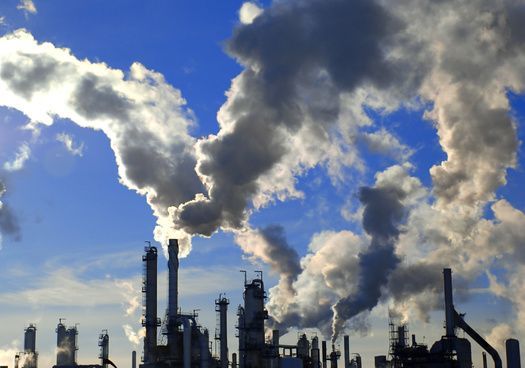
Press Release: Colorado Takes Important Step in Cutting Methane Pollution, But More Action is Needed